
DriverFly

The Pros and Cons of Truck Driver Sign-On Bonuses

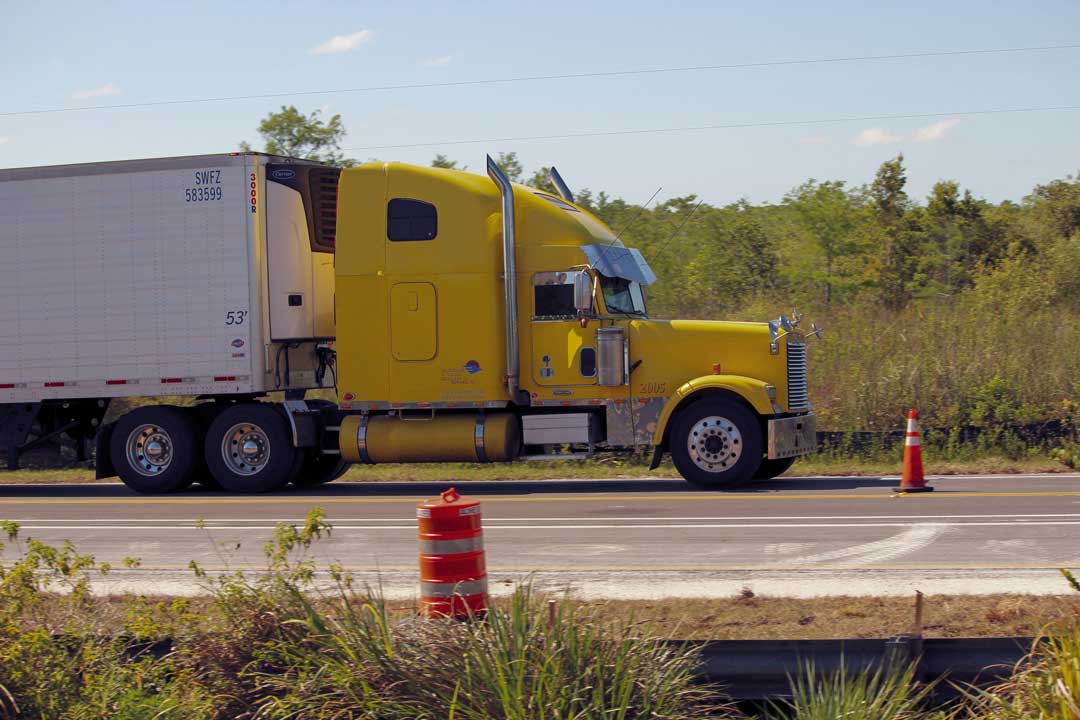
Truck on the road

Updated October 2026

Bonus gift card

Key takeaways

  • Sign-on bonuses can bring in applicants quickly, especially in a tight hiring market or for hard-to-fill jobs.
  • A large bonus paid all at once can attract drivers who leave soon after it is paid.
  • Paying the bonus in stages over several months ties the money to retention.
  • Write the terms clearly, including what happens if the driver leaves early.
  • A bonus does not fix problems with pay, home time or equipment. Fix those first.

What a sign-on bonus is

A sign-on bonus is a payment a carrier offers to a new driver for joining the company. It is usually paid in parts over the first months of employment, and it is often higher for experienced drivers or for specialized work such as tanker, hazmat or team driving.

Advantages

  • More applicants. A bonus in a job ad gets attention, especially when many carriers are hiring for the same drivers.
  • Help with switching costs. A driver who changes carriers may lose pay during orientation or wait for a first full paycheck. A bonus can cover that gap.
  • Faster hiring for hard-to-fill jobs. Bonuses can be targeted to one terminal, one account or one type of equipment instead of the whole company.
  • Retention, if structured well. Staged payments give drivers a reason to stay through the first months, which is when many new drivers leave.

Disadvantages

  • Cost. Bonuses add to your cost per hire. If many bonus hires leave early, the cost per retained driver is high.
  • Short-term hires. Some drivers move from bonus to bonus. A large payment at the start makes this more likely.
  • Driver distrust. Drivers who have lost a bonus because of unclear terms may doubt your offer. Vague conditions damage your reputation.
  • Pay fairness. Current drivers may resent new hires receiving large payments. Some carriers address this with retention bonuses or referral bonuses for current drivers.

How to structure a sign-on bonus

  1. Pay in stages. For example, a part after orientation, a part at 90 days and the remainder at six months or one year.
  2. Set clear conditions. State the milestones, whether the driver must be in good standing, and what happens if the driver leaves early.
  3. Avoid hard repayment terms where you can. Requiring a driver to repay a bonus can lead to disputes and may be limited by state law. Staged payments usually solve the same problem more simply.
  4. Advertise accurately. If the bonus is paid over a year, say so in the job ad.
  5. Track results. Compare the 90-day and one-year retention of bonus hires with drivers hired without a bonus.

Alternatives and complements

  • Referral bonuses for current drivers who bring in new hires. See how to build a driver referral program.
  • Retention and safety bonuses paid to all drivers on a regular schedule.
  • Better pay, home time and equipment, which often matter more than a one-time payment. See how to retain truck drivers.
  • A faster hiring process. Drivers often accept the first solid offer they receive. Contacting applicants within hours can do more than a larger bonus. DriverFly’s AI recruiting agents contact applicants and schedule interviews at any hour.

Frequently asked questions

Do sign-on bonuses reduce driver turnover?

Only if they are paid in stages tied to how long the driver stays. A large bonus paid at the start can increase early turnover.

How should a sign-on bonus be paid?

Most carriers pay in installments, for example after orientation, at 90 days and at six months or one year. State the schedule clearly in the offer.

Is a sign-on bonus better than higher pay?

Higher pay affects every paycheck, while a bonus is paid once. For long-term retention, competitive base pay and home time usually matter more. A bonus can help with hiring speed.

Share this :

Interested in simplifying your driver recruiting and compliance management?

Schedule a demo with our team today to learn more how DriverFly can work for you.

Explore other blog posts

More guides for motor carriers on driver recruiting, retention, compliance, and growing a trucking company.